
Modern orthodontic procedures can do wonders with alignment, but in some cases, braces or clear aligners alone aren’t enough. That’s where maxillofacial surgery in Phoenix becomes essential.
Whether you’re facing difficulty chewing, chronic jaw pain, or facial imbalance, maxillofacial surgery can realign your bite, restoring optimal function and appearance and putting you on the right track with your orthodontic journey.
If you are recommended for maxillofacial surgery and are unsure about it, understanding how the process works—from pre-op preparation to recovery—can help you feel more confident every step of the way.

What Is Maxillofacial Surgery?
Maxillofacial surgery encompasses surgical procedures that involve the jaw, face, and related structures. When tied to orthodontics, it’s often referred to as orthognathic surgery—a corrective jaw surgery that addresses skeletal and dental irregularities.
These irregularities can include:
- Asymmetrical facial features
- Difficulty chewing, speaking, or breathing
- Jaw pain or TMJ dysfunction
- Conditions like sleep apnea are caused by jaw structure
Orthognathic surgery is usually recommended when malocclusion cases become complex or severe, meaning that an orthodontic treatment alone cannot achieve the desired results. Because surgery involves the precise positioning of underlying bones, patients can achieve better results more quickly, improving not only the aesthetics but also the functionality of their smile.
Why Might Your Orthodontist Recommend Maxillofacial Surgery?
If your orthodontist notices that braces or aligners won’t be enough to correct your bite because of the position of your jaws, they may refer you to a maxillofacial surgeon in Phoenix for evaluation.
Jaw discrepancies are often easily identifiable, as they impact your facial symmetry, speaking and eating habits, and even your jaw joint health. In fact, many patients with TMJ disorders are recommended maxillofacial surgery to relieve discomfort in the long term.
Corrective jaw surgery aligns both jaws properly, often resulting in dramatic functional and cosmetic improvements—and protecting your smile for several years to come.
What Makes This Treatment Unique?
When planning maxillofacial surgery for braces, oral and maxillofacial surgeons work closely with orthodontists in an interdisciplinary approach. This collaboration ensures:
- A customized surgical-orthodontic plan
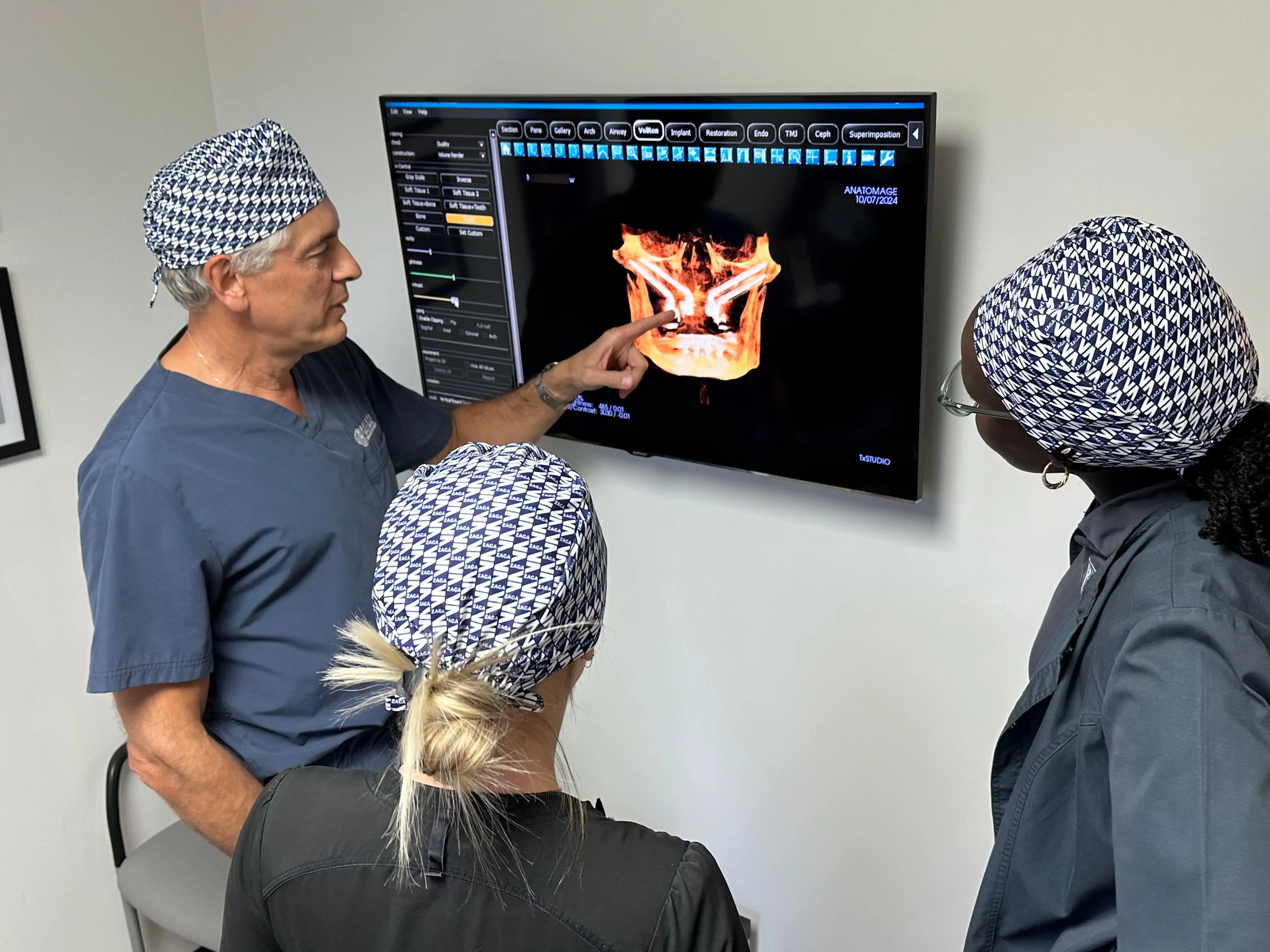
- Advanced imaging and 3D modeling
- Streamlined pre- and post-operative care
This collaborative approach helps achieve better long-term outcomes and reduced relapse. Additionally, in Phoenix, patients also benefit from modern surgical centers and minimally invasive techniques that can reduce downtime and improve comfort.

Preparing for Orthognathic Surgery
Once your orthodontist and surgeon determine that you’re a candidate, you’ll typically undergo a pre-surgical orthodontic phase that lasts 12–18 months. This is to align the teeth in preparation for repositioning the jaws.
After that period, planning for the surgery will begin. During this process, you can expect:
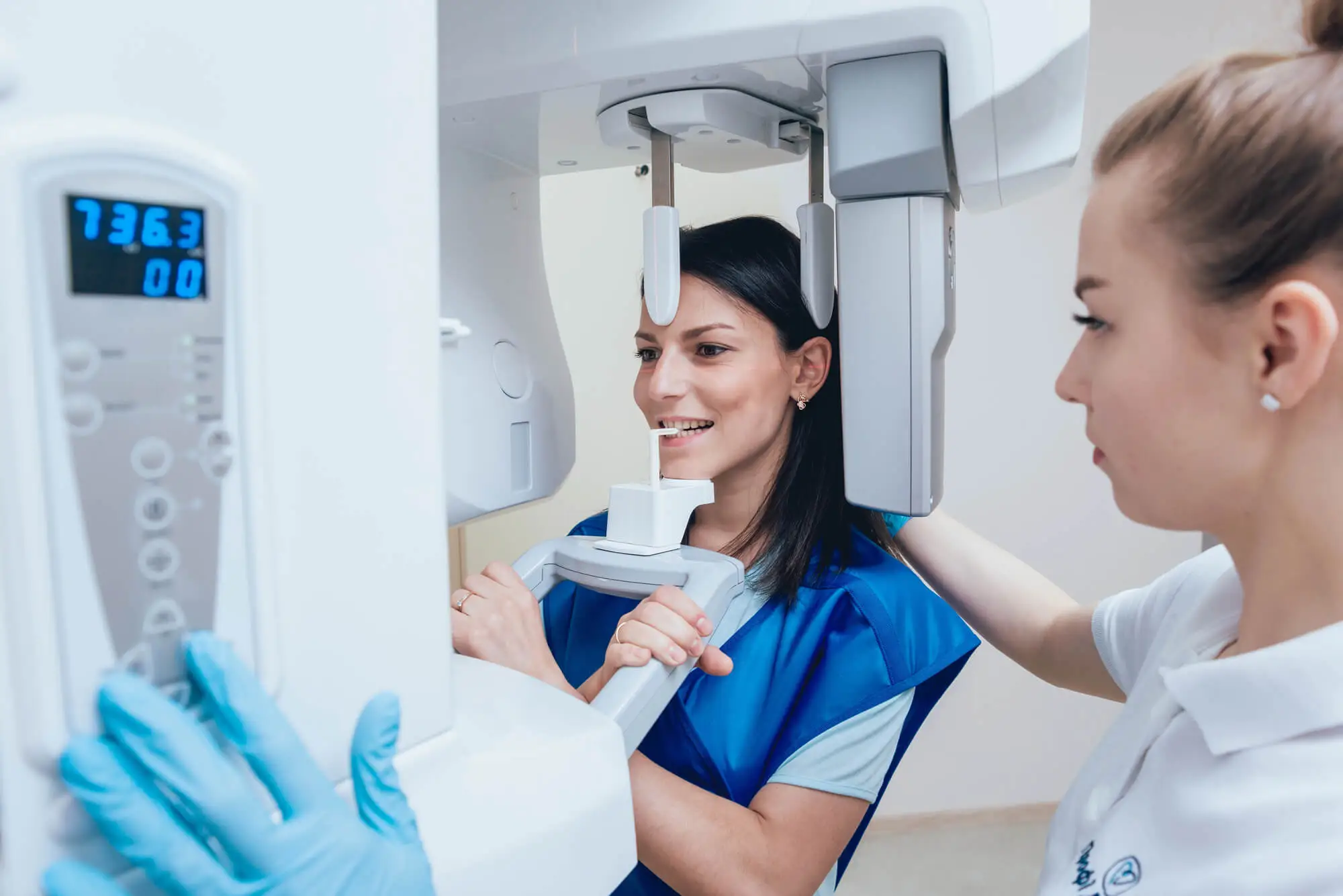
- X-rays, CT scans, and facial photographs
- Digital 3D models of your bite
- A thorough medical and dental history review
- A personalized surgical plan
Leading up to surgery, you’ll receive dietary and medication guidelines, and your care team will explain exactly what to expect on surgery day.
What Happens During Jaw Surgery?
Jaw surgery is performed under general anesthesia and can involve the upper jaw (maxilla), lower jaw (mandible), chin, or a combination of these.
Your oral and maxillofacial surgeon will:
- Make incisions inside your mouth to avoid facial scars
- Cut and reposition the bones
- Secure them with tiny screws and plates
- Suture the incisions
The entire procedure typically lasts between 2 and 4 hours, depending on its complexity. Most patients stay in the hospital for 1–2 nights, although outpatient surgery may be possible in less extensive cases.
Recovery: What to Expect After Surgery
During the first two weeks after surgery, swelling, bruising, and mild discomfort are normal. You can use ice packs and medication to help control pain. Giving yourself time to rest and following a soft or liquid diet is essential: remember, you underwent a bone-positioning surgery, and your body needs time to heal.
Still, most patients return to light activity within 10 to 14 days. By weeks 3–6, you may notice that your bite begins to stabilize. Through follow-up appointments with both your surgeon and orthodontist, we’ll ensure that recovery is progressing as expected and approve a gradual return to a normal diet.
Getting Braces Fixed
3 to 6 months after surgery, your orthodontist may determine you’re ready for the final stage of braces or aligners to fine-tune your bite. By this time, the final healing and bone fusion should have occurred, and your facial features will have settled into their new alignment.
Most patients are fully healed within 6 months, with dramatic improvements in bite, appearance, and confidence.
Benefits of Orthognathic Surgery
Corrective jaw surgery is life-changing for many patients. Benefits include:
- Improved Function: Eat, speak, and breathe more comfortably
- Facial Harmony: Enhance your profile and balance facial features
- Relief from Pain: Reduce TMJ symptoms and chronic jaw tension
- Greater Stability: Lower the risk of orthodontic relapse
- Boosted Self-Esteem: Feel more confident in your smile and appearance
Is Jaw Surgery Right for You?
If you have moderate to severe jaw misalignment, and braces or aligners alone can’t correct your bite, maxillofacial surgery may be ideal for you. If you’re still unsure, though, it’s important to consult with an expert oral surgery practice in Phoenix to evaluate your case carefully.
Are There Risks with Maxillofacial Surgery?
As with any surgery, orthognathic procedures carry potential risks. Fortunately, complications are rare when experienced surgeons perform the procedure.
Choosing a skilled and board-certified Phoenix maxillofacial surgeon greatly reduces these risks. Be sure to follow all pre- and post-operative instructions to ensure the best outcome.
Your Next Step: Book a Consultation for Maxillofacial Surgery in Phoenix
Maxillofacial surgery for orthodontics may sound daunting, but with the right care team and a clear plan, it can be one of the most transformative decisions of your life. Whether you’re a teen, adult, or parent of a child facing jaw alignment issues, Phoenix offers top-tier care from diagnosis to recovery.
From restoring function to reshaping confidence, your new smile starts with understanding what to expect—and choosing the right team to guide you there. At Butura Oral & Dental Implant Surgery, we will assess your case in detail, explain the procedure, and work closely with your orthodontist of choice to ensure the best outcome for your smile, today and forever.
Contact us today for a comprehensive consultation!


