

Full mouth reconstruction can seem overwhelming, but it doesn't have to be. Whether you've had dental trauma, advanced gum disease, or years of neglect, this comprehensive treatment plan can improve both the function and appearance of your smile.
At its core, full mouth reconstruction is more than just fixing teeth; it is a comprehensive approach to restoring overall dental health. This guide answers the most frequently asked questions about full mouth reconstruction, allowing you to feel informed and confident as you take your next step.
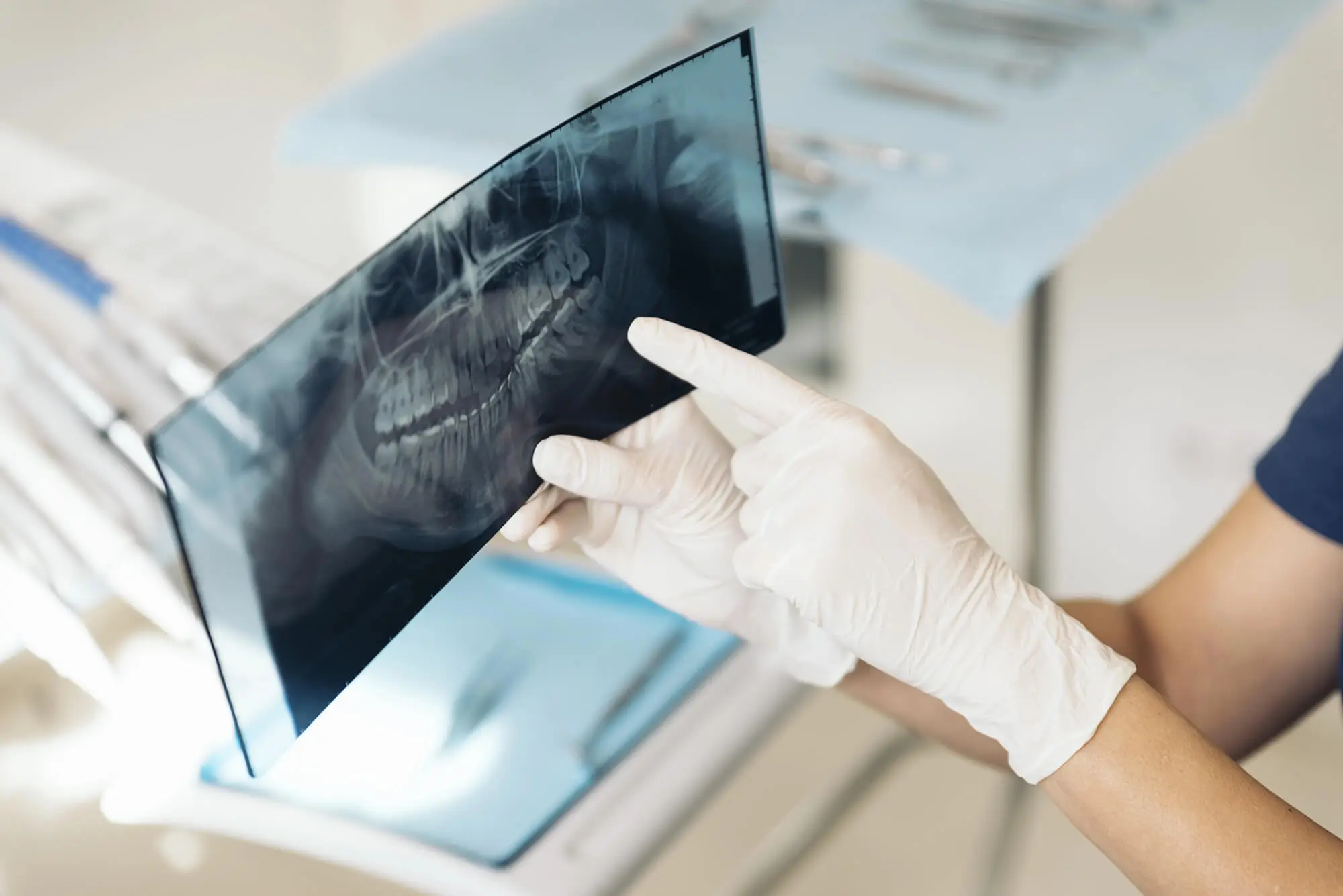
What Is Full Mouth Reconstruction?
Full mouth reconstruction, also known as full mouth rehabilitation or restoration, is a customized treatment plan that addresses multiple oral health issues simultaneously. It is frequently a combination of restorative, prosthetic, and cosmetic dental procedures designed to rebuild or replace most or all of the teeth in the upper and lower jaws.
A skilled dentist or prosthodontist will assess your entire oral structure, including your teeth, gums, bite, and jaw function, before creating a custom treatment plan.
Why Might Someone Need a Full Mouth Reconstruction?
You may be a candidate if you're dealing with:
- Multiple missing or severely damaged teeth
- Extensive tooth decay or old failing restorations
- Advanced periodontal (gum) disease
- Chronic jaw pain or TMJ disorders
- A traumatic dental injury
- Excessive tooth wear from bruxism (teeth grinding)
In many cases, patients come to us after years of delayed care—often feeling embarrassed or hopeless. If that is your case, don’t worry. A reliable dental reconstruction specialist ensures a gentle, judgment-free environment and a flexible approach. No case is too complex. Full mouth reconstruction exists to rebuild both your smile and your confidence.
What Treatments Are Included in a Full Mouth Reconstruction?
No two treatment plans are alike, but here are the most common procedures:
- Crowns and Bridges: To restore the strength and function of damaged or missing teeth.
- Dental Implants: Titanium posts that replace tooth roots, supporting crowns or bridges for long-term stability.
- Porcelain Veneers: Ultra-thin shells used to enhance the front surface of visible teeth.
- Inlays and Onlays: Durable, tooth-colored restorations for larger cavities.
- Periodontal Therapy: Deep cleanings, scaling and root planing, or gum surgery to treat gum disease.
- Orthodontics or Invisalign®: To correct misaligned bites before restoration.
- TMJ Therapy or Bite Adjustment: To improve function and relieve jaw discomfort.
Your dentist will walk you through every option and prioritize treatments based on your goals, timeline, and budget.
How Long Does Full Mouth Reconstruction Take?
The timeline can vary significantly depending on the complexity of your case. However, on average, full mouth reconstruction takes anywhere from several weeks to 12 months or more.
While some treatments (like crowns or veneers) can be completed quickly, others, such as dental implants, require months of healing time between stages. Orthodontic adjustments, gum disease treatment, and bone grafting (if necessary) may add time, but they are essential for long-term success.
You’ll receive a clear treatment timeline during your consultation, including milestone goals and appointment scheduling.

Is Full Mouth Reconstruction Painful?
This is one of the most common concerns—and thankfully, the answer is no.
With today’s advanced technology, local anesthetics, and sedation dentistry options, the procedures involved in full mouth reconstruction are typically comfortable and well-tolerated.
You may experience some mild soreness after specific procedures, such as extractions or implant placement. Still, most patients describe it as manageable with over-the-counter medications or short-term prescriptions.
If dental anxiety has held you back, let your provider know—many offer oral or IV sedation to help you feel relaxed and at ease.
What Is Recovery Like After Full Mouth Reconstruction?
Recovery depends on which procedures you undergo.
For example:
- After crowns or veneers, minimal downtime is needed.
- Implant placement or gum surgery may involve a few days of rest and dietary adjustments.
- If you have multiple phases, you’ll recover incrementally throughout the process.
Your dentist will provide detailed post-op instructions and support at every step. Most patients return to normal routines quickly—and with each phase completed, your comfort, appearance, and function improve dramatically.
What Are the Benefits of Full Mouth Reconstruction?
After completing treatment, patients consistently report lifestyle improvements such as:
- Improved ability to chew and speak comfortably
- Relief from chronic pain (headaches, jaw aches, or sensitivity)
- Enhanced appearance and natural-looking smile aesthetics
- Increased self-confidence in personal and professional settings
- Better long-term oral health, stability, and easier maintenance
Full mouth reconstruction doesn’t just fix problems—it gives you back your smile, your health, and often, your sense of self.
Are There Any Risks?
As with any medical or dental procedure, full mouth reconstruction does carry some risk, including:
- Temporary discomfort or swelling
- Healing complications (especially if underlying conditions are present)
- Tooth sensitivity or bite adjustment period
- Risk of implant failure (rare, especially with good aftercare)
Choosing an experienced dentist with a comprehensive approach significantly reduces these risks. Your provider will also evaluate your medical history, lifestyle habits (like smoking), and bone density to ensure the best possible outcome.
Does Insurance Cover Full Mouth Reconstruction?
This depends on the reason for treatment and your specific policy.
If reconstruction is deemed medically necessary—for example, due to injury, decay, or gum disease—many insurance plans will cover part of the cost. However, cosmetic components (like veneers or whitening) are typically not covered.
At your consultation, the dental team can:
- Help verify your insurance benefits
- Provide a detailed treatment plan with itemized costs
- Discuss payment plans, financing options (like CareCredit®), or phased treatments
Don’t let cost keep you from seeking care—many patients are surprised at the affordability when options are clearly laid out.
What Should I Expect at My First Consultation?
Your journey begins with a comprehensive dental exam and a one-on-one conversation. During your first visit, you can expect:
- A thorough review of your medical and dental history
- Digital X-rays, 3D imaging, or intraoral photos
- A bite and jaw evaluation
- A detailed discussion of your concerns, goals, and questions
- A custom treatment plan with step-by-step options
This is your opportunity to explore possibilities without pressure. Ask every question you have—your comfort and clarity matter.

Have Any Remaining Questions About Full Mouth Reconstruction? Reach Out!
Full mouth reconstruction is more than just a dental procedure; it's a life-changing investment in your health, appearance, and confidence. For that reason, having various questions about the procedure makes sense.
If we didn’t cover all of your doubts, reach out! The team at Butura Oral & Dental Implant Surgery is here to answer all of your questions. Let's discuss your goals, go over your options, and create a personalized plan to restore your smile with comfort and care.
*Invisalign®, the Invisalign logo, and iTero®, among others, are trademarks and/ or service marks of Align Technology, Inc. or one of its subsidiaries or affiliated companies and may be registered in the U.S. and/or other countries.


