
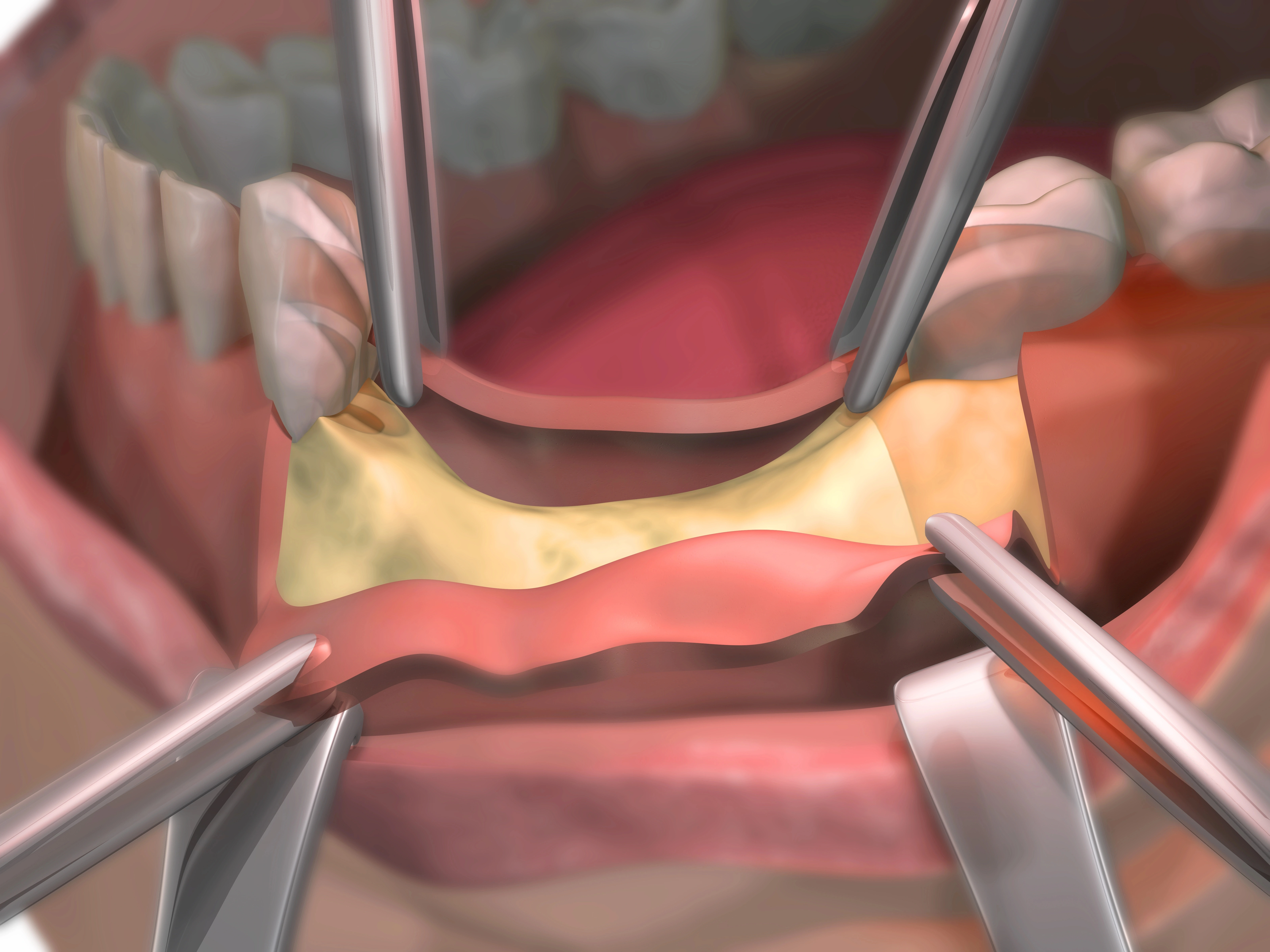
When planning for dental implants, one crucial question many patients ask is whether they need ridge augmentation. The answer largely depends on the health of your jawbone and the condition of your oral structure. Ridge augmentation is a procedure that rebuilds and restores the jawbone, providing a strong foundation for dental implants.
Dental implants are a reliable solution for replacing missing teeth, but the success of the procedure hinges on the health and strength of the jawbone. If the jawbone has deteriorated due to trauma, disease, or prolonged tooth loss, it may lack the necessary volume or density to support an implant. This is where ridge augmentation comes into play. By restoring the bone, ridge augmentation ensures the implant has a stable base, improving the overall outcome of your dental restoration.
What Is Ridge Augmentation?
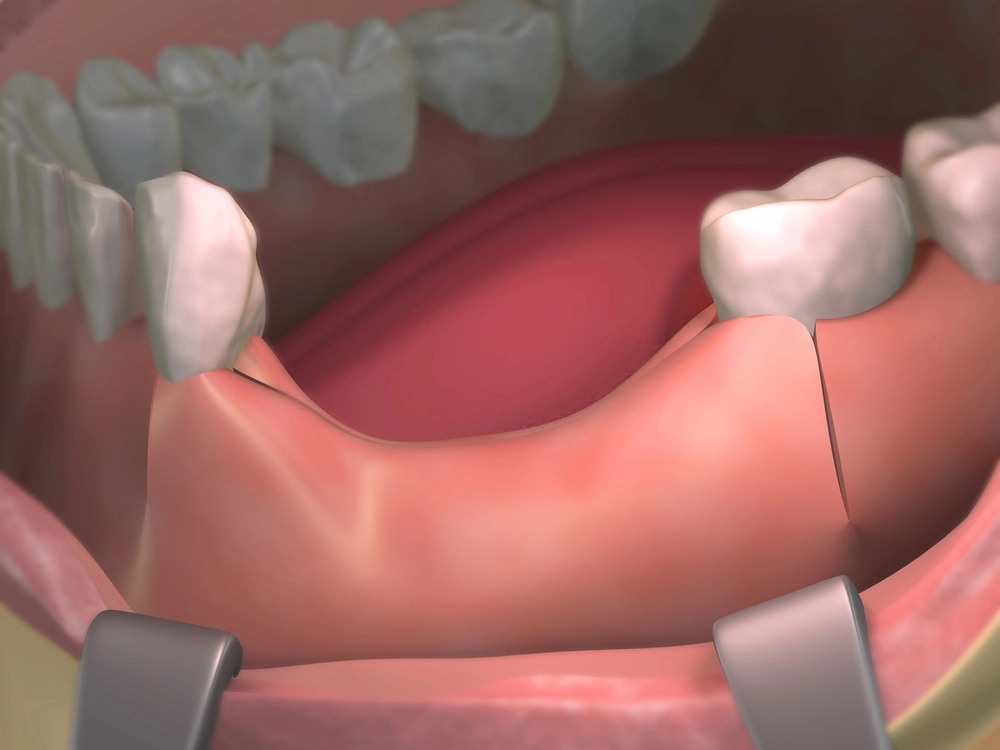
Ridge augmentation is a surgical procedure that enhances the shape and volume of the jawbone. This procedure is particularly beneficial for patients who have suffered bone loss in the areas where dental implants are planned. Whether caused by gum disease, tooth extraction, or other factors, bone loss can create a deficit in the jaw ridge, making it unsuitable for implant placement. The goal of ridge augmentation is to regenerate lost bone tissue, creating a strong, healthy foundation for dental implants. Bone grafts or other regenerative materials are typically used to stimulate new bone growth, ensuring the implant can be securely placed.
Why Is Ridge Augmentation Necessary?
Ridge augmentation is often recommended if there is insufficient bone in the area where the implant is to be placed. Without this procedure, dental implants may fail to properly integrate with the jawbone, leading to complications and implant failure. Ridge augmentation helps:
- Restore Jawbone Shape & Volume: To provide a stable foundation for implants.
- Improve Implant Success Rate: Ensure proper osseointegration (the fusion of the implant with the bone).
- Enhance Aesthetic Outcomes: Improve the overall appearance of the gums and teeth.
In some cases, ridge augmentation is performed simultaneously with the implant procedure; in others, it may be performed as a separate treatment to allow adequate healing before implants are placed.
Types of Ridge Augmentation Procedures
There are several techniques used in ridge augmentation, and the choice of procedure depends on the severity of bone loss and the patient's specific needs. Some of the most common techniques include:
Socket Preservation
This method is used shortly after a tooth extraction to prevent the jawbone from shrinking. It helps maintain bone structure and prepares the site for future implantation.
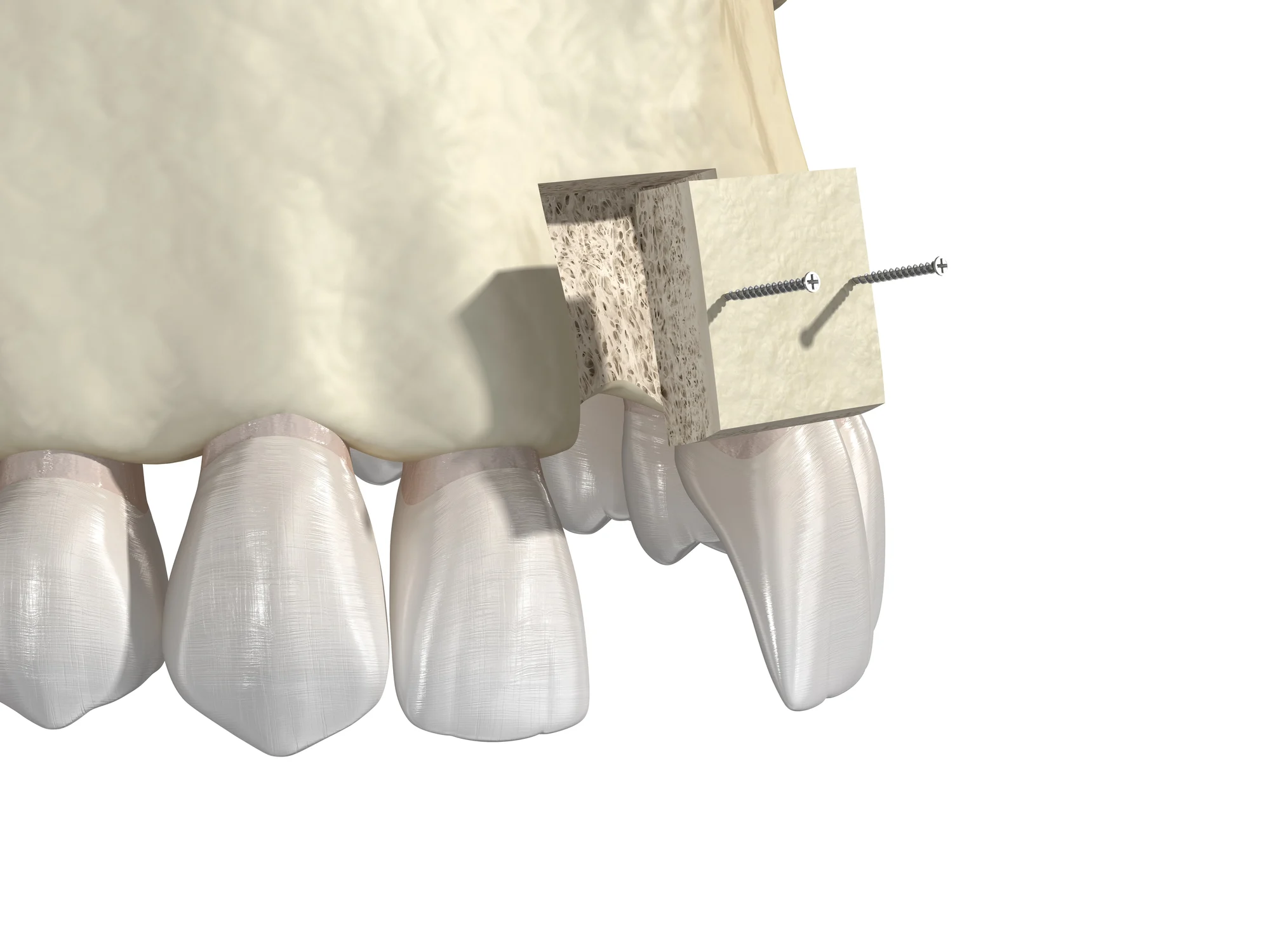
Block Grafting
In cases of significant jawbone loss, a block graft involves transplanting a small piece of bone from another area of your body (or from a donor) to fill the deficit. This is often used to restore the ridge's width or height.
Sinus Lift
For patients with upper jaw bone loss, particularly in the posterior region, a sinus lift is a common procedure. It involves lifting the sinus membrane and adding bone graft material to the sinus cavity to increase bone height.
Allografts
Using donor bone or synthetic material, an allograft helps regenerate bone in the deficient area. This is a less invasive option that can be used when there isn’t enough healthy bone available for a graft.
When Is Ridge Augmentation Needed?
If you’ve experienced tooth loss, your jawbone may have begun to resorb or shrink, especially if there has been a significant period without teeth. This bone loss can lead to a lack of bone height or width, making it challenging for implants to take hold. Ridge augmentation is typically recommended when:
- The bone is too thin or narrow for proper implant placement.
- The bone has been compromised due to tooth extraction or gum disease.
- The bone height is insufficient in the upper or lower jaw, particularly in the back of the mouth.
- Bone loss has occurred following long-term tooth loss without restoration.
Why Ridge Augmentation Matters Before Implants
If ridge augmentation is recommended, it is typically done before the dental implant placement. This ensures the implant has a solid, stable base, which is critical to its success. Without proper bone structure, the dental implant may not fuse properly with the jawbone, leading to complications or implant failure. Patients who undergo ridge augmentation often achieve improved aesthetic outcomes and better long-term implant results. The procedure helps restore the jaw's natural contour, supporting the dental implant and enhancing the smile's appearance.
Recovery After Ridge Augmentation
Ridge augmentation is a surgical procedure and, as such, requires a recovery period. After the surgery, you will need time for the bone graft to heal and integrate into the existing bone. This process can take several months, depending on the type of graft used and the complexity of the procedure.
During recovery, patients should follow post-operative instructions carefully to ensure the best outcome. This includes maintaining good oral hygiene, taking prescribed medications, and avoiding certain foods and activities that could disturb the healing process.
What to Expect During the Procedure
The ridge augmentation procedure is typically performed under local anesthesia, though sedation may be used for more complex cases. The dentist or oral surgeon will assess the area of bone loss and prepare it for grafting. Bone graft material will then be placed to rebuild the bone structure, and the area will be stitched closed to promote healing. Once healing is complete, your dentist will evaluate the grafted area and determine if it is ready for dental implant placement. In some cases, the implants may be placed immediately after ridge augmentation, while in others, a period of healing will be required before placement.
Is It Really Necessary?
Ridge augmentation is a vital procedure for patients who need dental implants but have experienced jawbone loss. This procedure restores the necessary structure and volume, ensuring that dental implants can be securely placed and provide long-lasting results. If you're considering dental implants but have concerns about bone loss, ridge augmentation may be the solution you need to achieve a successful implant procedure.

Ready to Learn More About Ridge Augmentation?
At Butura Oral and Dental Implant Surgery, we are committed to helping you achieve a healthier, more beautiful smile. Our team of experts can guide you through every step of the process, from ridge augmentation to implant placement. Schedule a consultation with us today to discuss your treatment options.


